
Looking for Decentralized Payment Solutions for your Business?
Helping businesses identify and implement suitable decentralized payment solutions
Why Decentralized Payment Solutions Matter
Many businesses require faster, more flexible and globally accessible payment infrastructure than traditional financial systems can provide. Cross-border payments, banking dependencies, settlement delays and transaction costs can limit operational efficiency and create unnecessary complexity.
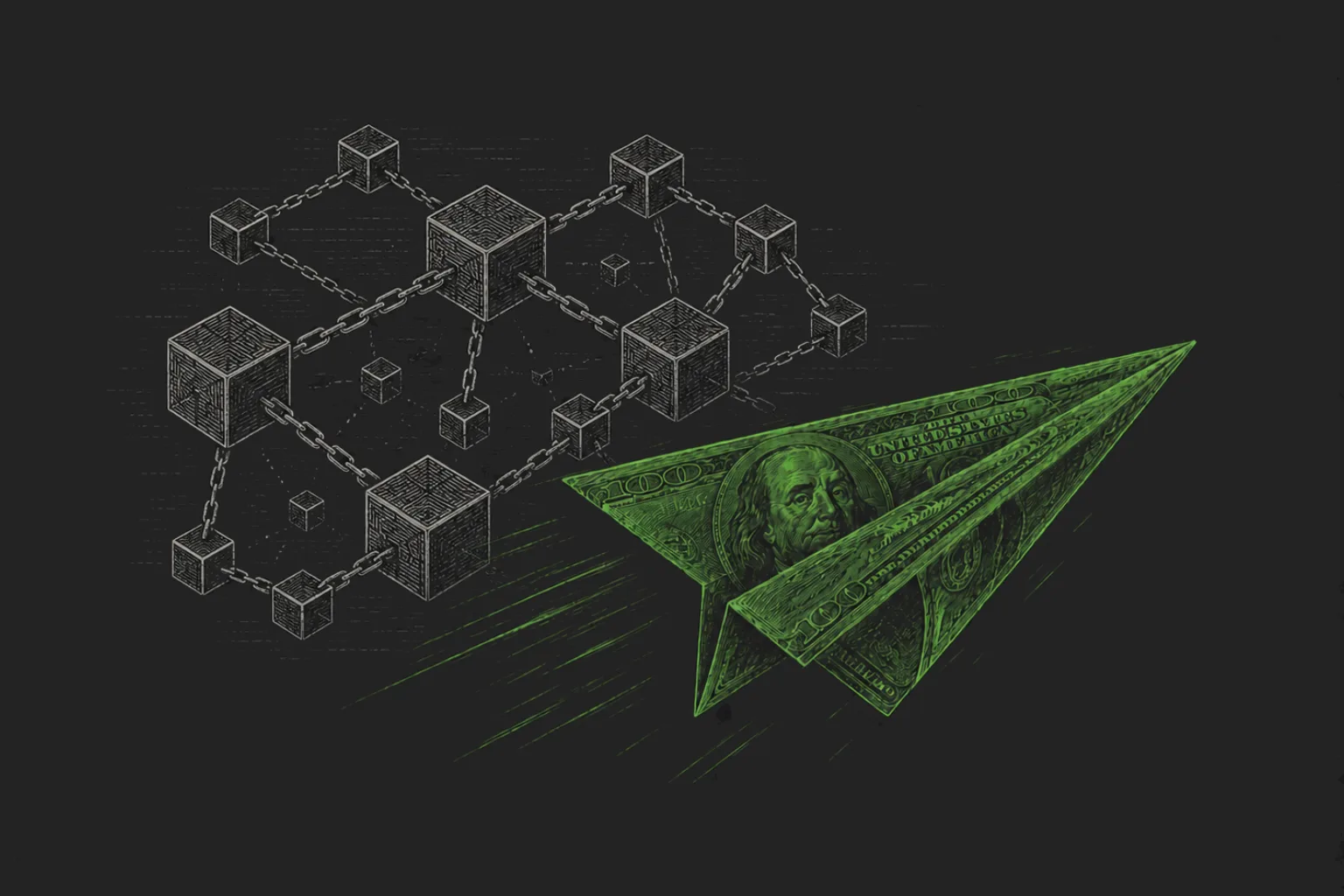
Decentralized payment solutions enable direct value transfer between participants without relying entirely on traditional payment intermediaries. These solutions typically use blockchain networks, digital assets and programmable payment infrastructure to support business payments, settlements and financial operations, automated payment flows and digital asset transactions while providing greater flexibility, accessibility and control over how funds move across the business.

Common Decentralized Payment Use Cases

Direct Digital Asset Payments
Accept and send digital asset payments, including stablecoin payment solutions, without relying entirely on traditional payment intermediaries.
Cross-Border Fund Transfers
Move funds globally with faster settlement and fewer intermediary dependencies, while interacting with crypto-friendly banking solutions where required.
Smart Contract-Based Payment Automation
Automate recurring payments, revenue sharing, partner payouts and other financial workflows through programmable payment logic and payout solutions.
Treasury & Digital Asset Management
Manage operational funds, digital assets and treasury activities across multiple wallets, networks and jurisdictions.
Platform & Ecosystem Payments
Support payments between users, partners, creators, contributors or ecosystem participants within decentralized applications and digital platforms.
Traditional vs Decentralized Payment Solutions

TRADITIONAL
✓ Businesses depend on banking and payment provider relationships
✓ Payment flows are controlled by financial intermediaries
✓ Multiple providers are often required for payments, settlements and treasury operations
✓ Payment infrastructure is dependent on provider policies and operational decisions
✓ Limited support for blockchain-native business models
✓ Payment innovation depends on provider capabilities
DECENTRALIZED
✓ Businesses interact directly with blockchain networks
✓ Payment logic can be defined through smart contracts
✓ Multiple functions can operate within a unified blockchain ecosystem
✓ Businesses maintain greater control over payment infrastructure
✓ Designed for digital asset, Web3 and on-chain business models
✓ Open infrastructure enables custom payment and settlement models
Decentralized payment solutions are no longer used exclusively by blockchain-native businesses. As digital assets become increasingly integrated into financial services, payments and online platforms, a growing number of companies are exploring decentralized infrastructure as part of their long-term payment strategy.
Who Decentralized Payment Solutions May Be Suitable For
Decentralized payment solutions may be suitable for businesses that operate with digital assets, support blockchain-based products or require alternative payment infrastructure beyond traditional financial systems. Some of the businesses that commonly explore these solutions include:
✓ Crypto Exchanges
✓ OTC Trading Businesses
✓ Wallet Providers
✓ Tokenization & RWA Platforms
✓ Web3 Platforms
✓ iGaming Businesses
✓ Online Casinos
✓ Sports Betting Platforms

Why Decentralized Payments Solutions Support Matters
Building a decentralized payment infrastructure involves more than enabling digital asset transactions. Businesses often need to determine how funds will be stored, how payments will be processed, how settlement workflows will operate and how payment infrastructure will integrate with existing products, services and user experiences.
Infrastructure decisions made during implementation can affect scalability, operational efficiency, security and future product development. As a result, selecting the right architecture and implementation approach is often as important as the payment solution itself.
Payment support helps businesses implement blockchain-based payment infrastructure that aligns with their operational requirements, technical environment and long-term growth plans.
Common Blockchain-Based Payment Challenges
✓ Decentralized Payment Infrastructure Implementation
Businesses often need help selecting and implementing suitable payment architecture, payment gateway solutions, wallet infrastructure and operational models.
✓ Payment Automation & Smart Contract Logic
Revenue sharing, partner settlements, treasury management and other payment workflows frequently require custom automation and smart contract functionality.
✓ Wallet, Platform & Ecosystem Integration
Decentralized payment infrastructure often needs to operate alongside exchanges, wallets, Web3 platforms, gaming products or other digital ecosystems.
✓ Fiat Connectivity & Financial Infrastructure
Some businesses require decentralized payment systems that can interact with banking infrastructure, payment providers and fiat-based financial operations.
Our Decentralized Payment Solutions Process
The goal of Business Expansion is simple: help businesses identify, implement and integrate on-chain payment infrastructure that supports their operational requirements, payment flows and long-term growth plans.
Share Your Requirements
Tell us about your business model, users, payment flows, products and operational objectives. We review the challenges you are trying to solve and the role decentralized payments may play within your business.
Select the Right Infrastructure
We help identify suitable decentralized payment infrastructure, wallet architecture, payment automation capabilities and integration models based on your business requirements.
Prepare for Implementation
We define the technical, operational and infrastructure requirements needed to support the selected solution.
Deploy & Integrate
We support implementation, integrations and operational deployment to help bring the selected decentralized payment infrastructure into production.
FAQ
Can Decentralized Payments Work Alongside Banking Infrastructure?
Yes. In many cases, decentralized payment infrastructure can operate alongside banking services, payment providers and fiat settlement processes. Businesses often use a combination of decentralized and traditional financial infrastructure depending on their operational requirements and payment flows.
Can Decentralized Payment Solutions Support Fiat Settlement?
Yes. Some decentralized payment solutions can be integrated with banking infrastructure, payment providers and other financial services to support fiat settlement, fund conversion and hybrid payment workflows.
Do Businesses Need To Build Their Own On-Chain Payment Infrastructure?
No. In many cases, we can implement decentralized payment capabilities using existing infrastructure and ready-made solutions. Where the standard solution does not fully support the business requirements, additional functionality and integrations can be customised as part of the implementation.
Can Decentralized Payments Be Integrated Into Existing Platforms?
Yes. We can help integrate decentralized payment capabilities into existing platforms, products and business operations.
When Do Businesses Typically Explore Decentralized Payment Solutions?
Businesses often explore decentralized payment solutions when traditional payment infrastructure no longer fully supports their operational requirements, payment flows or business model.