
LOCAL PAYMENT SOLUTIONS
Business Expansion helps digital businesses identify and implement suitable payment, payout and settlement solutions for accepting and sending funds in specific countries and local markets
What Are Local Payment Solutions
Local payment solutions are payment setups adapted to the commercial and technical conditions of a specific country or region. They allow businesses to process transactions through payment methods, currencies and provider routes that are available and commonly used in that market.

Supported Markets for Local Payments

North America
Payment solutions for businesses accepting customer payments and managing payouts across the United States and Canada, with market-specific provider, currency and settlement requirements.

Latin America
Local payment, payout and settlement routes across Latin American markets, including country-specific bank transfers, cards, wallets and alternative payment methods.

Europe
Payment solutions across European markets where provider access, local methods, currencies, banking routes and business requirements vary significantly by country.
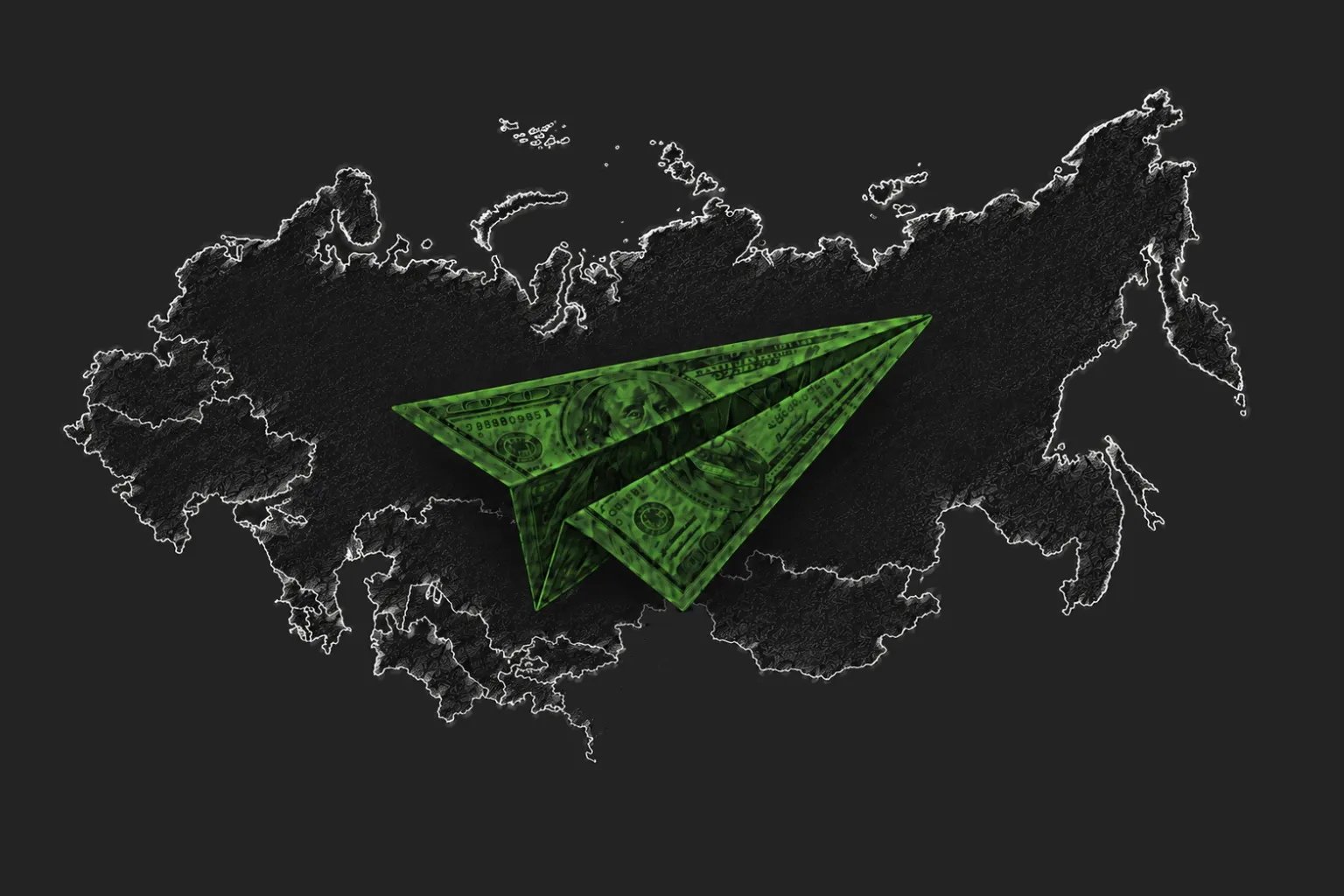
CIS and Central Asia
Payment and payout solutions for CIS and Central Asian markets, combining local bank routes, wallets, card processing and cross-border settlement where available.
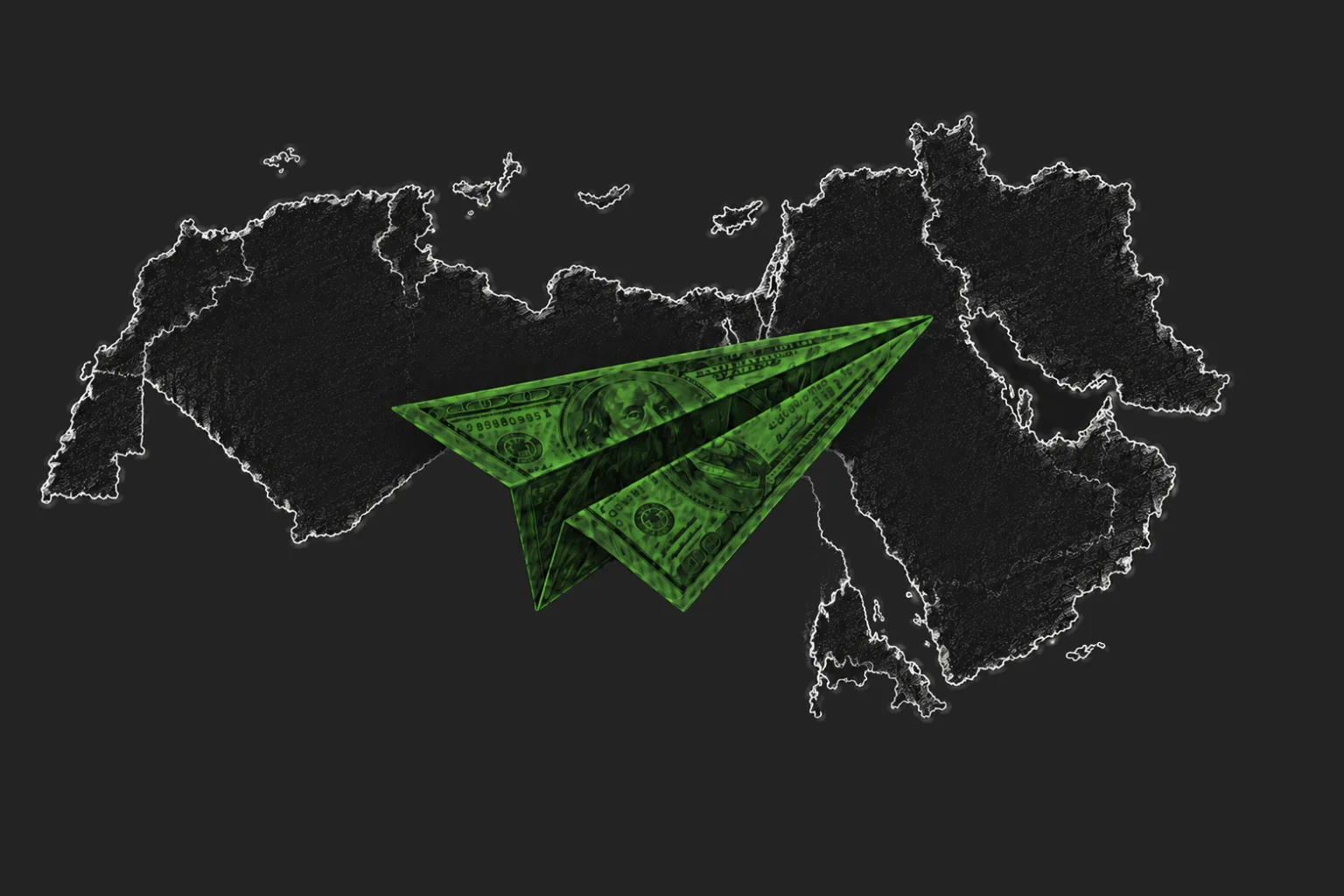
MENA
Payment solutions across GCC, North Africa, Turkey and other MENA markets, adapted to different currencies, local methods, banking systems and payout requirements.

Africa
Local payment solutions across Sub-Saharan Africa, including mobile money, bank transfers, wallets, card routes and country-specific payout infrastructure.
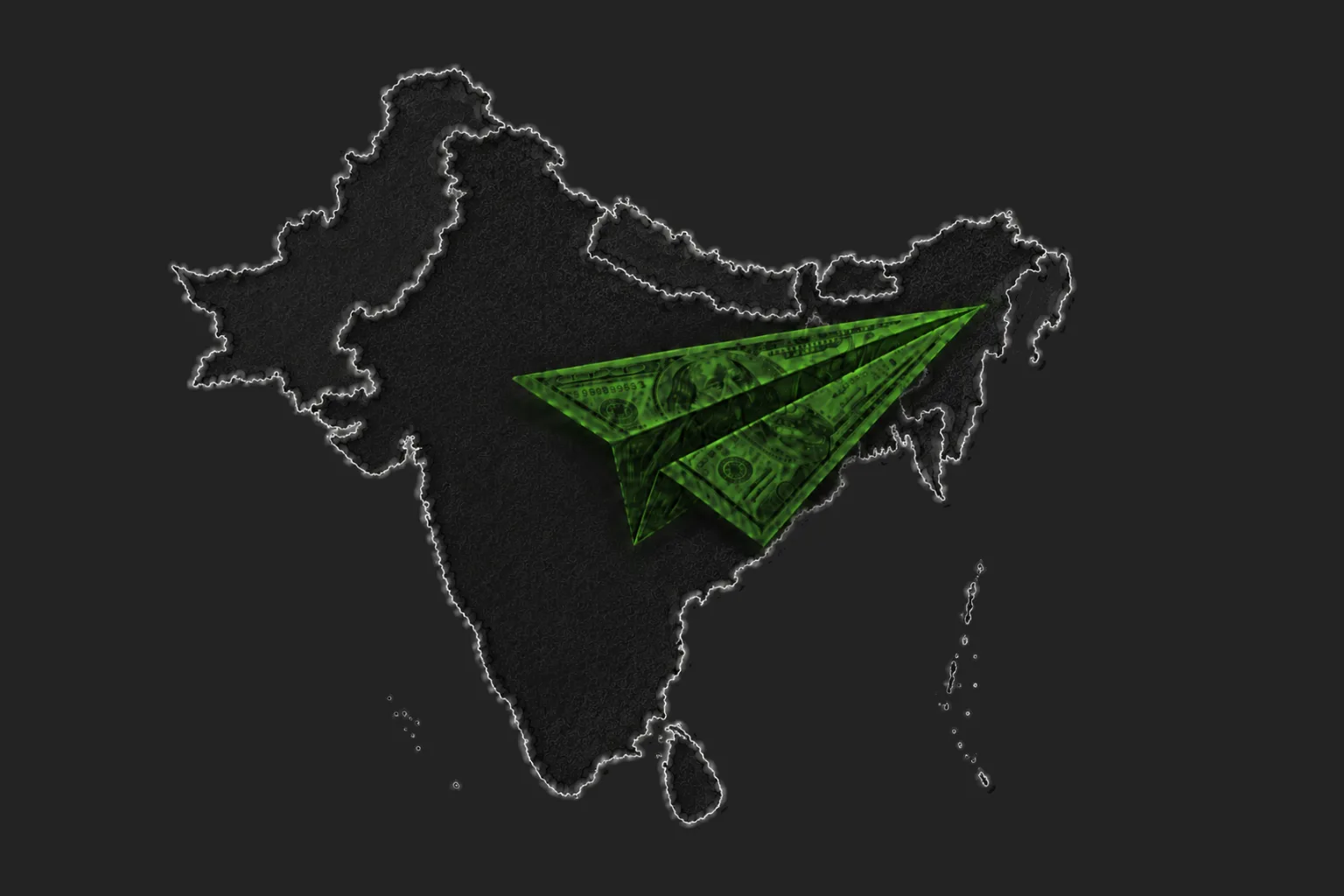
South Asia
Payment, payout and settlement solutions across India, Pakistan, Bangladesh and other South Asian markets, each with its own local payment systems and provider landscape
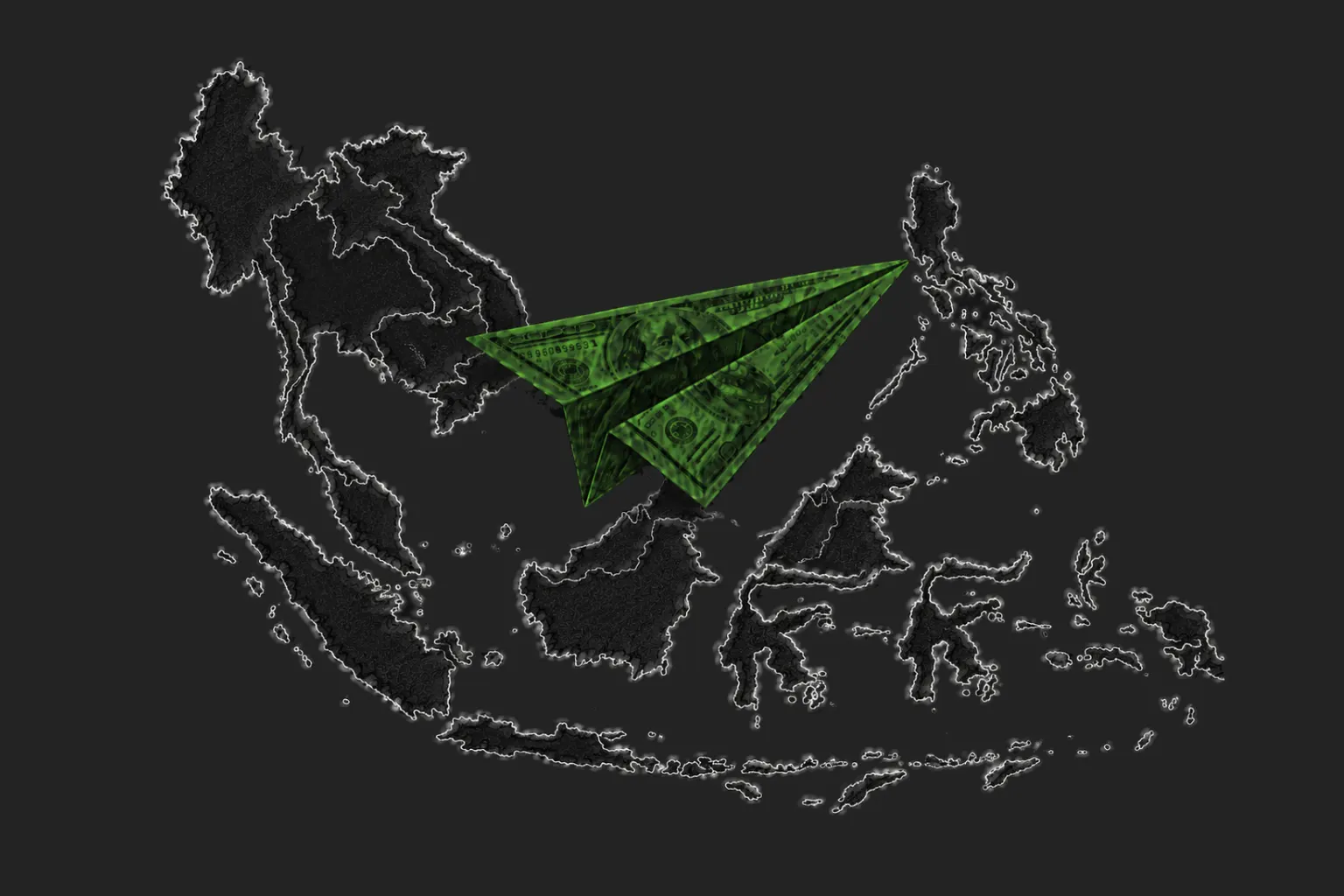
Southeast Asia
Local payment solutions across Southeast Asian markets, including e-wallets, QR payments, bank transfers, cards and country-specific settlement routes.
East Asia and Oceania
Payment solutions across East Asia, Australia and New Zealand, covering distinct local payment ecosystems, currencies, provider requirements and settlement models.
When a Local Payment Setup Is Needed
A local payment setup is needed when the existing payment route does not support the target market, complete transaction flow or planned expansion.
Entering a New Market
The current checkout does not support the local payment methods, currencies or customer payment flow required in the target country.
Expanding Across Multiple Markets
A route that works in one country does not provide the required payment, payout or settlement coverage in others.
Missing Payout or Settlement Routes
The business can accept payments but cannot process refunds, withdrawals or other outgoing transactions, or settle funds into the required destination.
Managing a Fragmented Payment Setup
Countries, currencies and transaction directions are handled through separate providers, creating gaps in routing, reporting, reconciliation or operational control.
How Funds Move Through a Payment Setup
A workable payment setup must cover the full movement of funds, not only payment acceptance at checkout.
Pay-ins
Customers pay or fund an account through methods available in their country.
Routing and Conversion
Transactions move through the appropriate provider, currency or digital-asset route.
Refunds and Payouts
The business returns funds, processes withdrawals or sends required payments to customers, players, merchants or other recipients.
Settlement
Processed funds reach the selected bank account, payment account, wallet or digital-asset treasury and are reconciled with the original transactions.
A regional setup can use different acceptance and payout routes by country while keeping settlement, reporting and reconciliation centralized.
Local Payment Components
A local payment setup connects the methods customers use in a specific market with the infrastructure required to process transactions, make outgoing payments and settle funds to the business.
Local Payment Methods
Country-specific wallets, QR payments, mobile payments, cash-linked methods and other locally used options.
Card Acquiring
Local or cross-border acquiring and gateway connections for customer card payments.
Bank and Account-Based Payments
Domestic transfers, account funding and other bank-based payment routes.
Refunds and Payouts
Infrastructure for withdrawals, refunds, winnings, merchant payments and other outgoing transactions.
Currency Conversion and Settlement
Conversion between currencies or assets and settlement to the selected bank account, payment account, wallet or digital-asset treasury.
Payment Orchestration and Reconciliation
Routing across providers, backup routes, transaction reporting and reconciliation within one payment setup.
How Local Payment Routes Are Selected
The right local payment setup is selected around the complete transaction flow rather than one payment method or provider.
Target Markets
The setup must support the countries where customers pay and recipients receive funds.
Business Model
Provider acceptance, onboarding requirements and available routes vary across different types of digital businesses.
Pay-ins and Payouts
The required setup may need to cover customer payments, account funding, refunds, withdrawals and other outgoing transactions.
Currencies and Settlement
The payment currency, required conversion and final settlement destination must work within one fund flow.
Technical and Operational Requirements
APIs, webhooks, reporting, reconciliation, transaction volumes and backup routes affect which providers can be connected effectively.
One Provider or Multiple Payment Routes?
A local payment setup may use one provider, a primary provider with local additions or several providers connected within one configuration.
One Provider
A single provider can simplify onboarding, integration and reporting when it supports all required markets, payment methods, payouts and settlement routes.
Primary Provider with Local Additions
A main provider can cover the core payment flow, while additional local routes support specific countries, methods or payout requirements.
Multi-Provider Setup
Several providers may be required when no single platform supports the complete market coverage, transaction flow or settlement structure.
The right model should provide sufficient coverage without creating unnecessary integration, reconciliation or operational complexity.

Why Local Payment Support Matters
Launching payments in a new country involves more than adding a local payment method. The setup also needs to cover provider acceptance, currencies, payouts, refunds, settlement, banking routes and technical integration.
Requirements can differ sharply between markets, and one provider may support only part of the flow. Practical support helps businesses compare workable routes, understand what must be connected and avoid building a setup that cannot operate as planned.
FAQ
Is the payment market determined by where my company is registered?
No. A company may be registered in one jurisdiction while accepting payments from customers and sending payouts in other countries. The relevant payment market is determined by where the transactions need to take place.
Can one payment setup cover several countries?
Sometimes one provider can cover several markets, while other cases require separate local routes or a combination of providers. The setup is selected around the required countries, payment methods, payouts and settlement flow.
Can Business Expansion help with a country that is not listed?
Yes. The regional and country pages present the main markets covered on the site, but a payment case can be reviewed for other countries where suitable provider routes are available.
Can the existing payment setup be expanded into a new market?
Yes. Business Expansion can review the existing providers and infrastructure, identify what is missing for the new market and coordinate the additional payment or payout route.