
LOCAL PAYMENT SOLUTIONS IN EUROPE
Business Expansion helps digital businesses identify, select and implement suitable local payment, payout and settlement routes across European markets
What Local Payment Solutions in Europe Mean
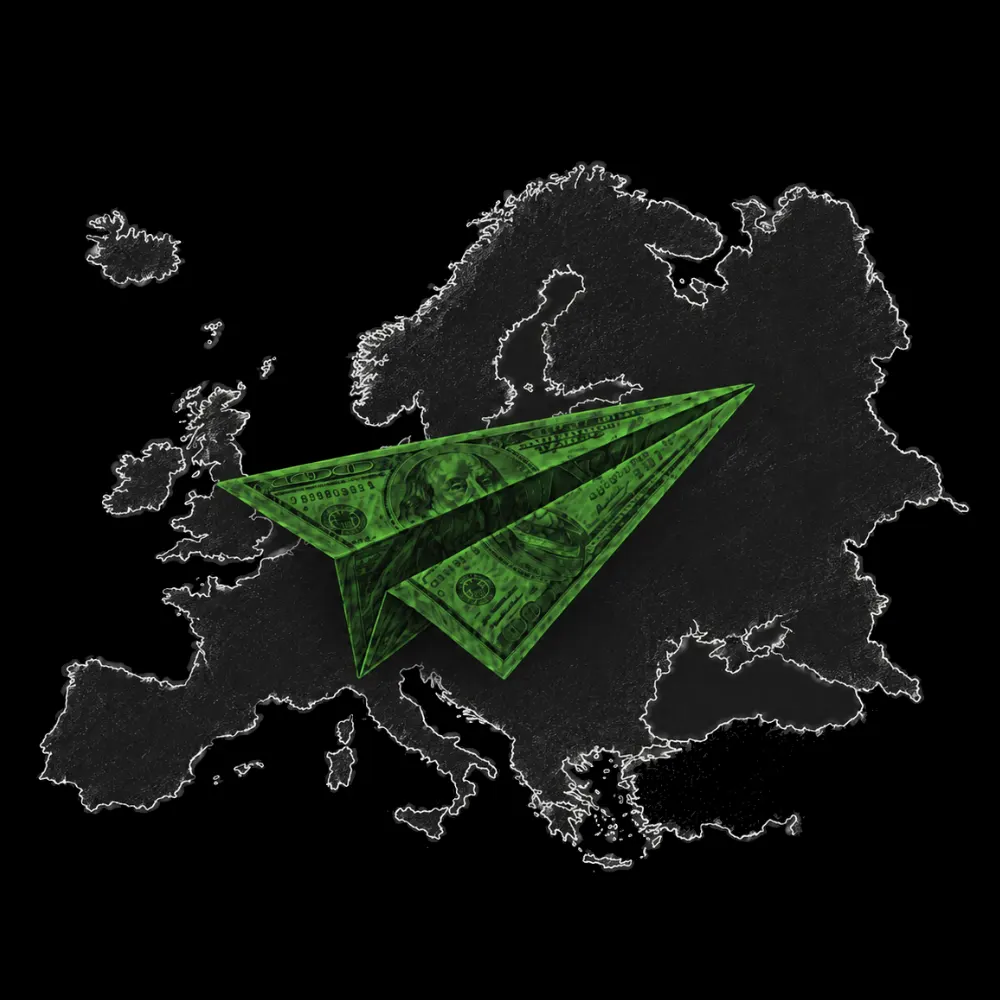
Local payment solutions in Europe connect digital businesses to the payment infrastructure customers actually use across different markets: card acquiring and bank payments across much of the region, SEPA and instant euro transfers within the European payment area, UK Faster Payments and open-banking payments, and country-specific payment methods and wallets that remain important in individual markets.
A workable European payment setup may combine card processing, account-to-account payments, local payment methods, customer or player payouts, multi-currency conversion and local or cross-border settlement through one or several providers.
When a Local Payment Setup in Europe Is Needed
Businesses usually look for a European payment setup when their current provider does not support the payment methods customers use in the target country, cannot provide the required payout route, cannot onboard the business for particular markets or activities, or cannot settle collected funds into the required bank or treasury destination.
Entering a New European Market
The existing checkout may support cards but not the bank-based payments, open-banking routes, direct debit, local wallets or domestic payment methods commonly used in the target country. SEPA standardises euro credit transfers and direct debits across participating markets, but Europe still retains country-specific payment methods and infrastructure outside that common layer.
Expanding Across European Markets
A setup that works in Germany, France or the Netherlands may not provide the same payment, payout and settlement coverage in Poland, the United Kingdom or another European market. Euro-area infrastructure, non-euro currencies, domestic payment methods and separate UK payment rails can require different provider connections or configurations. The UK, for example, operates Faster Payments separately from SEPA and has its own open-banking payment ecosystem.
Missing Payout or Settlement Routes
The business can accept customer payments but cannot reliably process withdrawals, refunds or other outgoing payments, or settle funds in the required currency and destination account. Pay-in coverage therefore needs to be assessed separately from payout, FX and treasury requirements.
Connecting Different European Payment Rails
Cards, SEPA transfers, instant bank payments, direct debit, open-banking payments and country-specific methods may be accessed through different providers. This can create gaps between payment acceptance, payouts, settlement, reporting and reconciliation that need to be connected within one payment configuration. SEPA Instant supports euro transfers across participating institutions, while UK account-to-account payments can use the Faster Payments infrastructure.
Preparing to Acquire Users in Europe
Businesses planning user acquisition in Europe need payment and payout routes that allow customers in each target market to fund accounts, make purchases, deposit or receive funds through payment methods that work for that market.
Europe Is Not One Payment Market
Europe has shared payment infrastructure, but payment methods, currencies, provider coverage and settlement options still differ between countries. A setup that works in one European market may therefore require different local routes or providers in another.
United Kingdom
The UK requires its own payment assumptions because domestic GBP flows operate outside the euro payment infrastructure used across much of continental Europe. Faster Payments provides 24/7 account-to-account transfers, while cards, Direct Debit and open-banking payment initiation can form additional parts of the customer payment flow. SEPA can still be relevant for euro transfers, but it does not replace the domestic UK rails used for sterling payments.
Local Payment Solutions in the United Kingdom →
Western Europe
Germany, France, the Netherlands and Belgium share access to SEPA credit transfers, direct debits and increasingly instant euro payments, but the customer-facing payment layer is not identical. The Netherlands has built online bank payments around iDEAL, which began a phased transition towards Wero in 2026, while Bancontact remains a deeply established Belgian payment system for online and in-store transactions.
Local Payment Solutions in Germany →
Local Payment Solutions in France →
Local Payment Solutions in the Netherlands →
Local Payment Solutions in Belgium →
Southern Europe
Southern European markets combine the shared euro and card infrastructure with domestic bank-linked and mobile payment systems. Spain has Bizum, Portugal uses MB WAY for online, mobile and person-to-person payments, while Italy operates domestic infrastructure including BANCOMAT and BANCOMAT Pay. These methods may need to be considered separately from basic card and SEPA acceptance when configuring local checkout coverage.
Local Payment Solutions in Spain →
Local Payment Solutions in Italy →
Local Payment Solutions in Greece →
Central & Eastern Europe
Central and Eastern European markets introduce another layer of fragmentation because several important markets operate outside the euro while maintaining their own domestic payment ecosystems. Poland combines card and bank infrastructure with BLIK, which supports online, in-store and bank-app-based payments, while markets such as Romania and Ukraine require separate currency, banking and settlement assumptions rather than simply extending a euro-area configuration.
Local Payment Solutions in Poland →
Local Payment Solutions in Romania →
Local Payment Solutions in Ukraine →
Nordics
Nordic markets have highly developed bank-connected and mobile payment ecosystems that cannot be reduced to card acceptance alone. Swish is embedded in the Swedish market, while Vipps MobilePay now operates across Norway, Denmark, Finland and Sweden and supports cross-border payments between Nordic users and merchants. Local wallet access, domestic currencies and banking connectivity therefore remain relevant even when one provider offers broader Nordic coverage.
Local Payment Solutions in Sweden →
Local Payment Solutions in Norway →
Local Payment Solutions in Denmark →
Local Payment Solutions in Finland →
Baltics
Estonia, Latvia and Lithuania operate within the European payment framework and use the euro, but provider connectivity, local banking relationships and customer payment behaviour still vary by country. Payment coverage therefore needs to be checked at the individual-market level rather than assumed from general EU or SEPA availability.
Local Payment Solutions in Estonia →
Local Payment Solutions in Latvia →
Local Payment Solutions in Lithuania →
Balkans
Balkan markets include both EU and non-EU countries, euro and non-euro currencies, and different domestic banking and payment infrastructures. Provider access, settlement routes and local payment coverage can therefore differ substantially between neighbouring countries.
Local Payment Solutions in Croatia →
Local Payment Solutions in Serbia →
Local Payment Solutions in Montenegro →
Local Payment Solutions in North Macedonia →
Local Payment Solutions in Albania →
How Payment Coverage Is Configured Across Europe
Payment coverage across Europe can be built through one provider with multi-country reach, a core provider supplemented by local connections, or a multi-provider setup designed around individual markets. The right configuration must support the payment methods customers use, required payouts, currencies and the way collected funds reach the business.
One Regional Provider
A single provider can be suitable when it supports the required European countries together with the necessary cards, bank payments, local methods, payout capabilities, currencies and settlement destinations.
Regional Provider with Local Additions
One provider can cover the core European setup while additional local connections are added where domestic payment methods or banking infrastructure require separate coverage. This can include methods such as BLIK in Poland or iDEAL/Wero in the Netherlands, alongside broader card and SEPA connectivity.
Multi-Provider MENA Configuration
Different providers can support different countries, payment methods or transaction directions and be connected through one cashier, gateway or orchestration layer for routing, reporting, reconciliation and operational control.
A European setup may combine card acquiring across several markets, SEPA and instant euro transfers, Faster Payments for UK sterling flows, country-specific payment methods, separate payout routes and centralized settlement into the selected bank account, payment account or digital-asset treasury.
What Changes from One European Market to Another
Payment access across Europe varies by country even where common European infrastructure exists. Differences in domestic payment methods, currencies, provider permissions, business eligibility, payout functionality and settlement routes mean that multi-country coverage from one provider does not necessarily create the same payment setup in every market.
Customer Payment Methods
European customers do not use one common checkout model. Euro-area markets increasingly share SEPA and instant euro transfers, but important domestic payment methods remain embedded in individual countries. Poland has BLIK, Belgium has Bancontact, Spain has Bizum, Sweden has Swish, while the Netherlands is currently transitioning from iDEAL towards iDEAL | Wero.
The United Kingdom requires a different configuration again. GBP account-to-account payments can run through Faster Payments, while regulated open-banking providers can initiate payments directly from customer bank accounts. Cards and international or euro transfers can operate alongside these domestic routes rather than replacing them.
Provider Eligibility
European regulatory coverage does not mean that every provider supports every business in every country. Within the EU, authorised payment institutions can provide services covered by their authorisation across Member States through the PSD2 passporting framework, while the United Kingdom operates its own payment-services regulatory framework under the FCA.
The merchant still has to pass the provider’s own onboarding and risk assessment. Business model, company and licensing structure, countries served, transaction flow, source and destination of funds and settlement requirements can all affect whether a particular acquiring, bank-payment or payout route is available. An iGaming, crypto or FinTech business may therefore obtain European coverage from one provider while being declined or restricted for particular methods or countries by another.
Payout Coverage
Pay-in and payout capabilities need to be checked separately. SEPA Credit Transfer and SEPA Instant provide account-to-account euro payment infrastructure across participating institutions, while Faster Payments performs a similar domestic role for GBP transactions in the UK. The EU Instant Payments Regulation has also expanded access to instant euro transfers, with euro-area PSPs already required to offer sending and receiving capabilities.
This does not mean that a provider offering card acquiring, BLIK, Bancontact, open-banking collection or another customer payment method automatically supports withdrawals, winnings, refunds or mass payouts for the same business. Transaction direction, beneficiary type, business activity and the provider’s approved product scope still have to be verified separately.
Settlement and Treasury
Europe’s common payment infrastructure is primarily a euro payment layer, not a single multi-currency settlement system. SEPA supports euro payments across a geographical area extending beyond the eurozone, while important European markets continue to operate domestic currencies and payment infrastructure for GBP, PLN, SEK, NOK, CHF and other currencies.
For an international business, the payment method used by the customer therefore has to be separated from the treasury route behind it. A European configuration may collect EUR through SEPA or local methods, GBP through UK routes and other domestic currencies through country-specific providers, then use local settlement, FX conversion or cross-border transfers to move funds into the selected European or international bank account, payment account or digital-asset treasury.
Local Payment Solutions for Different Digital Business Models in Europe
Access to European payment infrastructure depends not only on the country and payment method, but also on what the business actually does. Financial-services permissions, gaming licences, crypto regulation, provider risk policies and payment restrictions can determine whether local collection, payouts and settlement are available.
FinTech Businesses
FinTech businesses providing payment services, issuing e-money, operating wallets or moving customer funds may need authorisation as a payment or electronic-money institution or access through an appropriately regulated partner. Within the EU and EEA, PSD2 provides a framework for authorised payment institutions to operate across participating markets, but authorisation remains with national regulators and the EBA continues to identify differences between countries in areas such as governance, controls and local substance.
The UK is a separate regulatory market. Payment and e-money businesses may require FCA authorisation or registration, and new UK safeguarding requirements for payment and e-money firms took effect on 7 May 2026. A European FinTech setup may therefore require separate EU/EEA and UK regulatory, banking and payment arrangements rather than one provider relationship covering both.
Explore FinTech Payment Solutions
iGaming Businesses
Payment access for iGaming is particularly country-specific because European gaming licences are national and regulators can intervene directly in payment flows. Germany requires appropriate German authorisation for regulated online gambling and the GGL uses enforcement measures including payment blocking against illegal operators. In the Netherlands, the KSA also targets parties facilitating unlicensed gambling, including payment service providers and banks.
Payment-method restrictions can apply even to licensed operators. In Great Britain, for example, licensed gambling businesses cannot accept gambling payments by credit card, including credit-card-funded payments routed through certain e-wallets or other money-service businesses. A payment route available to an ordinary European merchant may therefore be prohibited, blocked or unsupported for an iGaming operator depending on the country and licence.
Crypto Businesses
Crypto payment access changed materially across the EU under MiCA. The transitional period for previously operating crypto-asset service providers ended on 1 July 2026, meaning providers offering MiCA-regulated crypto services now generally need the required authorisation to continue operating in the EU. MiCA has also restricted services involving non-compliant asset-referenced and e-money tokens, affecting which stablecoins and related payment routes regulated providers can support.
Crypto businesses can also fall across more than one regulatory perimeter: the EBA has clarified that certain transactions involving e-money tokens can constitute payment services under PSD2 in addition to MiCA requirements. The UK follows a separate path: in-scope crypto businesses currently face FCA registration and financial-promotion requirements, while the broader UK FSMA crypto authorisation regime is scheduled to start in October 2027.
As a result, an exchange, wallet or Web3 business may need different fiat collection, bank-transfer, on/off-ramp, stablecoin, payout and treasury routes for the EU and UK, even when the underlying payment infrastructure is technically available.

Why Local Payment Support Matters in Europe
Many digital businesses serving European markets operate through an entity registered in another country or outside Europe. Access to local payment infrastructure may still depend on the company structure, regulated activity, licensing status, banking relationships or an authorised payment partner.
The challenge is not only finding a provider that lists the country as supported. The business must confirm whether its entity and activity can be onboarded, which payment and payout routes are available and how collected EUR, GBP or other currencies can reach the required treasury destination.
Local payment support helps identify a workable access model, compare regional and country-specific options and structure the complete payment, payout and settlement route before onboarding and integration begin.
Our Local Payment Solutions Process in Europe
Business Expansion identifies the required country or regional payment setup, selects suitable providers and coordinates onboarding, implementation and launch across the target European markets.
Share Your Payment Requirements
Tell us about your business, company structure, target countries, customer payment methods, required payouts, currencies and settlement destination.
Market & Payment Review
We review local payment access, provider eligibility, licensing and entity requirements, banking and payment routes, payouts and settlement options for the selected European markets. Where a deeper assessment is required, we may recommend starting with a Payment Solution Diagnosis.
Provider & Route Selection
We define whether the setup should use one regional provider, local country routes or a multi-provider configuration and identify suitable PSPs, acquiring, bank-payment, payout and settlement routes.
Onboarding & Implementation
We support provider onboarding and coordinate the required payment configuration and implementation. Technical integration can be completed through our team or with your existing development team where APIs, webhooks, cashier connections, payout flows or reporting systems are involved.

Why Work With Business Expansion
Business Expansion provides provider selection, onboarding and implementation support for local payment solutions across Europe. Individual banks, acquirers, PSPs, payment institutions and local payment providers usually assess a business only through their own infrastructure, supported markets and onboarding requirements.
We review the complete payment, payout and settlement flow, compare suitable regional and country-specific routes and coordinate the selected configuration within one project. We are not limited to one bank, acquirer, PSP, payment institution or payment route.
FAQ
Can Business Expansion help select and implement local payment solutions in Europe?
Yes. Business Expansion reviews the target countries, business model, company structure, payment methods, payout requirements and settlement destination. We then identify suitable regional and country-specific providers, coordinate onboarding and support implementation of the selected payment setup.
Can a foreign company connect local payment methods in Europe?
In some markets, a foreign company can access local payment methods through a regional or cross-border provider. Other acquiring, bank-payment or local payment routes may require an EU or UK entity, local bank account, licensed partner or agreement with a regulated payment institution. The required structure must be checked for each country and payment route.
Can high-risk businesses access local payment solutions in Europe?
Access is assessed by country, business model and provider. Banks, acquirers, PSPs and payment institutions may review the underlying licence, company structure, merchant category, customer markets, source of funds and settlement route. A business may be accepted for one method or country but rejected for another.
Can one payment provider cover the whole European market?
Usually not across the complete payment flow. One provider may support several European countries but still lack the required local payment methods, domestic bank routes, payouts or settlement options in particular markets. Regional coverage may therefore need to be combined with country-specific providers or banking connections.
Can deposits, withdrawals and refunds use different providers?
Yes. A provider that supports customer payments may not support withdrawals, winnings, refunds or other outgoing transactions. Separate pay-in and payout providers can be connected within one country or regional payment configuration.
Can payments collected in Africa be settled outside the customer’s country?
In some cases, yes. The available settlement route may involve local or cross-border bank accounts, payment accounts, currency conversion or digital-asset treasury infrastructure. Local collection does not automatically guarantee cross-border settlement, so repatriation, currency and provider requirements must be reviewed separately.
Does Business Expansion also handle provider onboarding and technical implementation?
Yes. Business Expansion coordinates provider selection and onboarding and supports the required payment configuration through implementation. Where technical work is required, integration can cover APIs, webhooks, cashier connections, payout flows, reporting and reconciliation through our Codesolution development team or the client’s existing developers.