
PAYMENT SOLUTIONS FOR TOKEN PROJECTS
Business Expansion helps token projects identify and implement suitable payment solutions for token purchases, fiat and stablecoin collection, treasury settlement, refunds and distributions
Connecting Payments With Token Purchase and Allocation Flows
For a token project, crypto payment solutions need to support more than collecting fiat, crypto or stablecoins. They must connect the purchaser journey with payment confirmation, token allocation or delivery, treasury settlement and, where required, refunds or distributions.
The right setup therefore depends on the token role, target markets, accepted currencies, purchaser requirements, allocation process and the destinations where collected funds need to reach.
Payment Infrasructure Solutions for Token Projects
Token projects may need a combination of payment solutions to collect fiat, crypto or stablecoins, confirm transactions, connect payments with token allocation or delivery, route funds to treasury and manage refunds or distributions. Business Expansion helps determine which infrastructure components are required and coordinates their implementation.
Stablecoin Payment Solutions
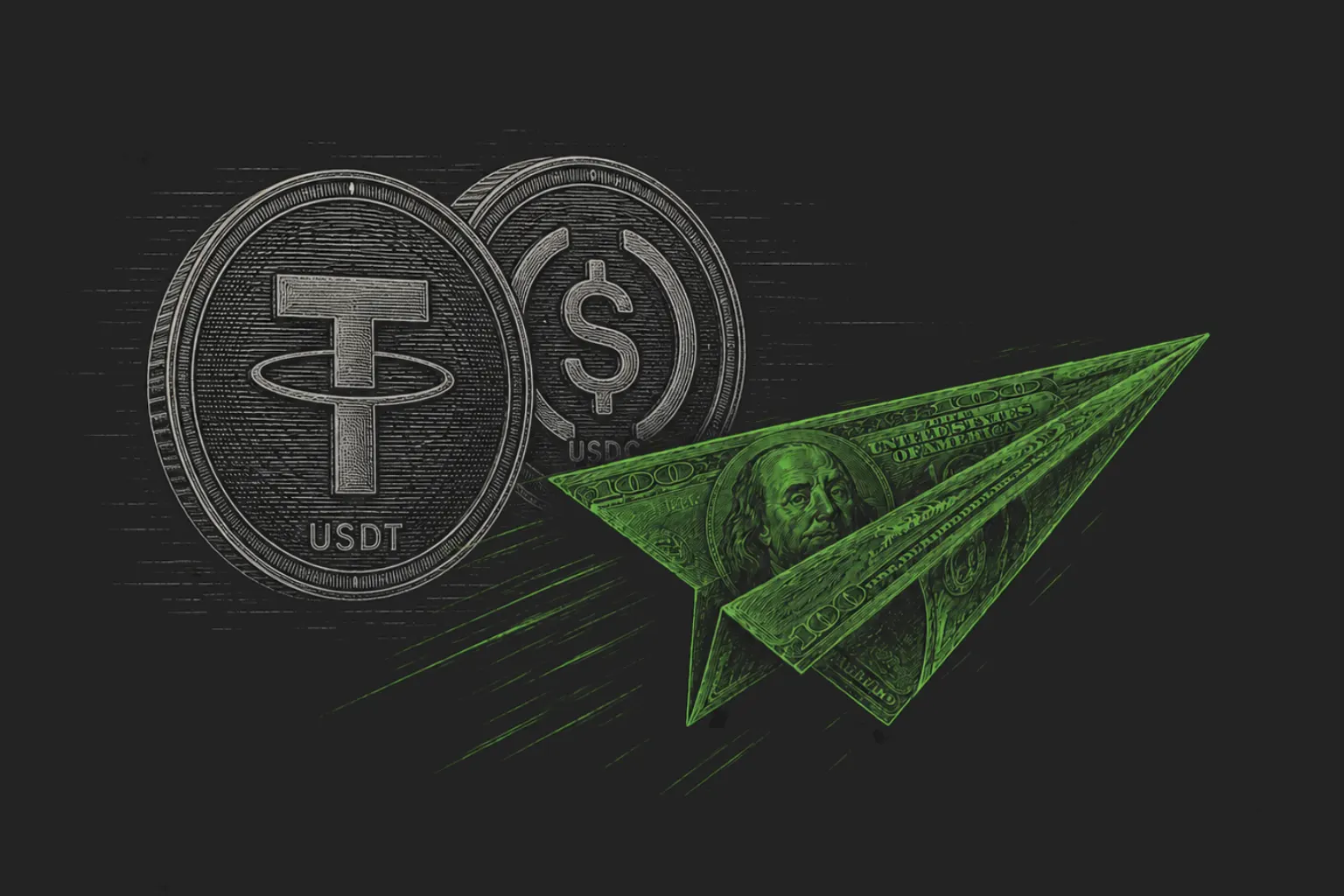
Stablecoin-based routes for collecting token purchase payments, receiving project revenue and settling funds into treasury or operating wallets.
Payment Gateway Solutions
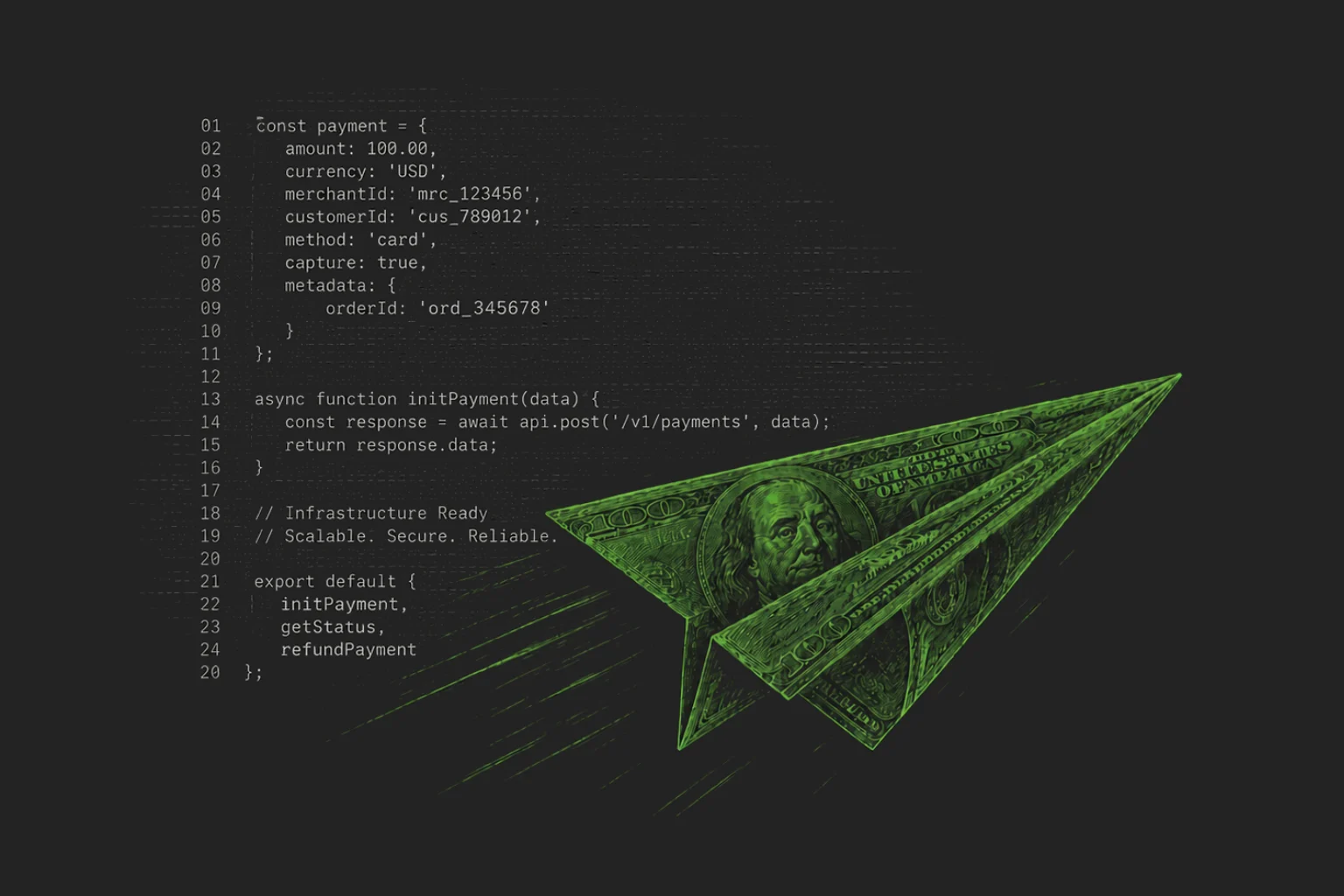
Fiat and alternative payment routes that allow eligible users to purchase tokens or access tokenized products through a supported checkout flow.

Crypto-Friendly Banking Solutions
Business accounts and fiat transfer infrastructure for receiving collected funds, managing operating balances and connecting token-related payment flows with the banking system.

Crypto Settlement Solutions
Solutions for converting and moving collected fiat, crypto or stablecoins into the required treasury, reserve or operating destinations.
Decentralized Payment Solutions
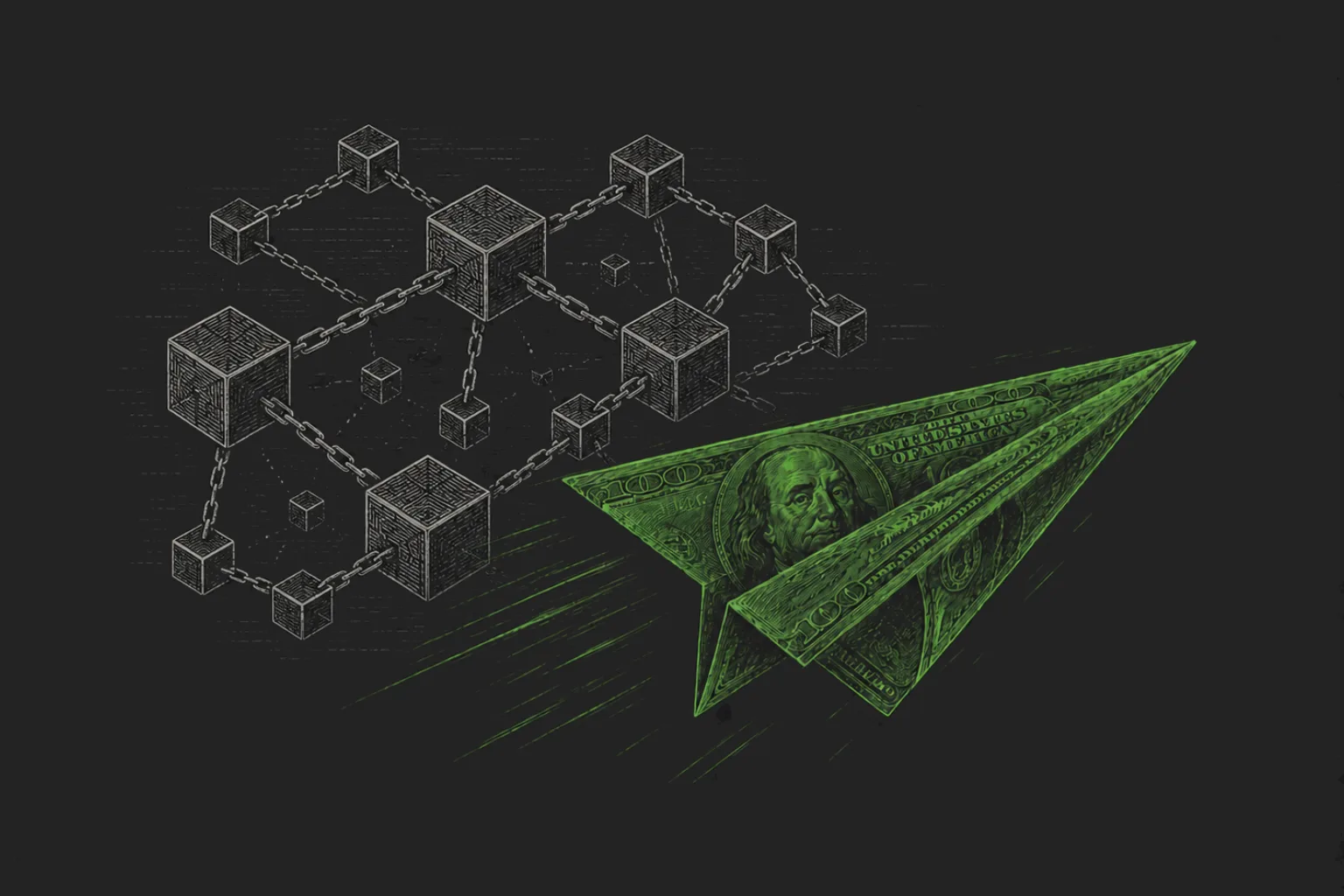
On-chain payment infrastructure that can connect confirmed transactions with token allocation, delivery, access rights or other smart-contract-based actions.

Payout Solutions
Outbound payment routes for refunds, contributor payments, partner distributions, vendor payments and other fiat, crypto or stablecoin transfers.
Merchant Account Solutions
Card acceptance infrastructure for token-related payments where the project model, jurisdiction and provider requirements allow this payment route.
Common Payment Flows for Token Projects
Token payment flows can be structured differently depending on the token role, purchaser journey, accepted currencies, target markets, allocation method and treasury destination. These are some of the payment flows Business Expansion can help structure and implement.
✓ Fiat-to-Token Purchase
The purchaser pays through a supported fiat payment route, the transaction is confirmed, and the approved token allocation or delivery step is initiated.
✓ Stablecoin-to-Token Allocation
The purchaser transfers a supported stablecoin, the payment is matched to the transaction, and the corresponding token allocation is recorded or delivered to the designated wallet.
✓ Payment Confirmation and Token Delivery
Payment status from a provider, bank or blockchain transaction is connected with the project’s allocation system, smart contract or platform so that tokens or access rights are delivered only after the required conditions are met.
✓ Collection-to-Treasury Settlement
Collected fiat, crypto or stablecoins are routed, converted where required and settled into the project’s treasury, reserve wallets or operating accounts.
✓ Failed Allocation and Refund
A payment is received but the token cannot be allocated because the transaction fails, is cancelled or does not meet the required conditions. The payment is then matched with an appropriate refund route.
✓ Contributor, Partner and Community Distributions
The project sends fiat, crypto, stablecoins or tokens from treasury to approved contributors, service providers, ecosystem partners or community participants.
✓ Post-Launch Token Utility Payments
The token or another supported payment method is used for platform access, service fees, subscriptions or other ongoing activity inside the tokenized product.
Why Token Project Payment Support Matters
Token projects need more than a way to collect fiat, crypto or stablecoins. Each payment may need to connect the purchaser, payment provider, eligibility or verification process, token allocation system, treasury destination and final wallet or platform account.
This becomes especially important for projects actively bringing new participants into the token ecosystem. Effective user acquisition for token projects also depends on whether users can move from initial interest to payment, token allocation and receipt without unnecessary friction in the transaction flow.
A setup suitable for one token model may not work for another. Its suitability depends on the token’s role, target markets, purchaser profile, accepted currencies and networks, transaction structure, allocation method and treasury requirements. A provider that supports crypto businesses may still be unable to support the specific token model, payment flow or jurisdictions involved.
Token project payment support helps connect collection with payment confirmation, token allocation or delivery, treasury settlement and post-transaction operations. It also helps address payment matching, failed allocations, refunds, contributor or partner distributions and reconciliation between received funds and completed token transactions.
Token Payment Integration
Once the payment setup has been defined, provider systems, wallet activity, token contracts and internal transaction records may need to be connected within one operational workflow.
This may include integrations for payment status, wallet verification, token allocation or delivery, treasury routing, refunds, reconciliation, reporting and internal approvals.
Business Expansion coordinates implementation of the selected payment setup. Where purchase interfaces, allocation logic, wallet or smart-contract integration, dashboards or other custom software are required, the technical work can be delivered through CodeSolution or coordinated with your existing development team.

OTC Businesses We Support
Business Expansion supports token-based businesses that need payment infrastructure for token purchases, fiat or stablecoin collection, token allocation or delivery, treasury settlement, refunds and project-related distributions.
Projects where the primary activity is DeFi, exchange deposits and withdrawals, wallet funding, OTC conversion or payments for a broader blockchain product can explore the relevant dedicated payment solution pages.
✓ Utility Token Projects
✓ Ecosystem Token Projects
✓ Platform Token Projects
✓ Tokenized Service and Access Platforms
✓ Token Launch Projects
✓ RWA and Asset Tokenization Platforms With Token Purchase or Allocation Flows
✓ Community Token Projects
✓ Projects Managing Contributor, Partner or Community Distributions
Token Project Payment Setup Process
Share your token payment requirements. Business Expansion reviews the case, determines the appropriate next step and coordinates the selection and implementation of suitable payment solutions.
Submit Your Token Payment Request
Tell us about the token, purchaser journey, target markets, accepted currencies, allocation process, treasury destinations and the payment task you need to solve.
Case Review and Diagnosis
We review the request and determine what needs to be addressed. If the right payment configuration is not yet clear, we may recommend starting with a Payment Solution Diagnosis.
Solution and Provider Selection
We identify suitable payment solutions, providers and routes for collection, token allocation or delivery, treasury settlement, refunds and distributions, and define how the required components should work together.
Implementation Coordination
Business Expansion supports provider onboarding and coordinates implementation of the selected setup. Technical integration can be completed through CodeSolution or your existing development team.

Why Work With Business Expansion
Payment providers, banks, blockchain infrastructure providers and technical teams usually cover only their own part of a token payment setup. Business Expansion reviews the complete flow, from fiat or stablecoin collection and payment confirmation to token allocation or delivery, treasury settlement, refunds and distributions, then coordinates provider onboarding and implementation.
We are not limited to one provider or predefined payment route. We can structure and implement a new token payment setup, connect suitable payment infrastructure with an existing token contract and platform, or replace only the components that no longer support the project’s markets, purchaser journey or operational requirements.
Token Project Payment Solutions FAQ
Can users purchase tokens with fiat payments?
Yes, where a suitable provider supports the token model, target markets and purchaser profile. Fiat payments may be accepted through bank transfers, cards or local payment methods, with confirmed transactions recorded against the relevant token purchase.
Can a token project collect payments in stablecoins?
Yes. A project can accept supported stablecoins on approved blockchain networks and route the funds to treasury or operating wallets. The setup should also define how each transfer is matched to the purchaser, purchase amount and allocation record.
How do the token model, target markets and purchaser profile affect provider selection?
Providers assess the token’s purpose, transaction structure, operating jurisdictions, purchaser locations, payment methods, assets, networks and expected volumes. A provider that supports crypto businesses generally may still decline a specific token model or purchaser flow.
Can payment confirmation be connected with token allocation or delivery?
Yes. A confirmed provider payment or on-chain transfer can update the project’s allocation system and initiate token delivery, minting, transfer or access activation. The flow may be automated or require an additional approval step, depending on the project rules.
What happens if a payment is received but the token cannot be allocated?
The transaction should enter a defined exception process. The project can review the reason, pause delivery and return the funds through an approved refund route when the purchase cannot be completed. Payment, allocation and refund records should remain connected for reconciliation.
Can one provider cover payment collection, treasury settlement, refunds and distributions?
Sometimes, but this should not be assumed. One provider may support collection but not the required settlement currency, refund route, banking destination or outbound distributions. A workable setup may combine several providers and payment components.
Can the same payment setup support both a token launch and post-launch token utility payments?
It can, provided the original setup supports the later transaction model. A token launch may focus on purchase collection and allocation, while post-launch activity may include platform fees, access payments or recurring transactions. These flows may require additional payment routes or provider approval.
Does a token project need licensing before payment provider onboarding?
It depends on the token model, project activity, jurisdictions and regulatory perimeter. Some providers may require licensing, a legal assessment or supporting documentation before onboarding, while others may assess the case under their own acceptance policy.